
At Landis, we strive to stay on the cutting edge of the construction industry, always looking for ways to innovate our work with the goal of delivering the highest quality product to our clients. We utilize and explore technology to ensure efficiency and efficacy. But technology is only as good as the people behind it; that’s where our Virtual Design & Construction Manager, Cassidy Rosen, comes in.
With an extensive background in architecture and a keen interest in increasing our technical capacity, Cassidy ensures that the finished product mirrors the design, and proactively identifies potential gaps and hurdles, leading to fewer delays, change orders, and requests for information. Read on to learn more about Cassidy’s work at Landis.
What is your background professionally and academically?
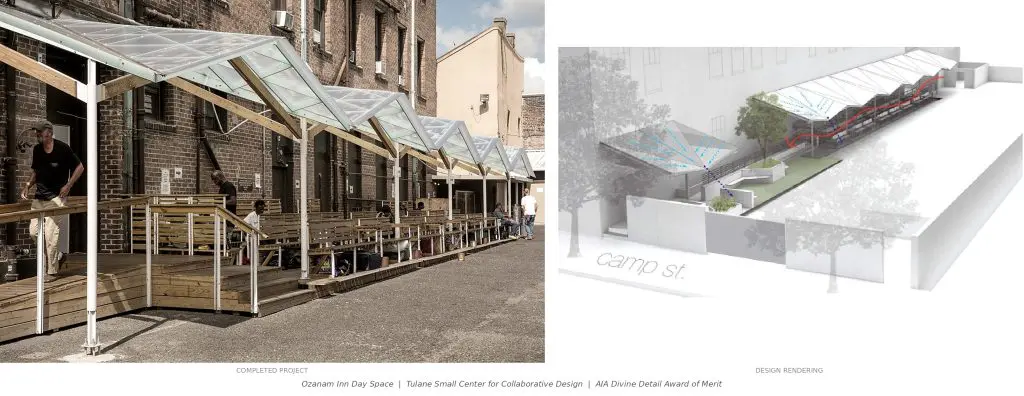
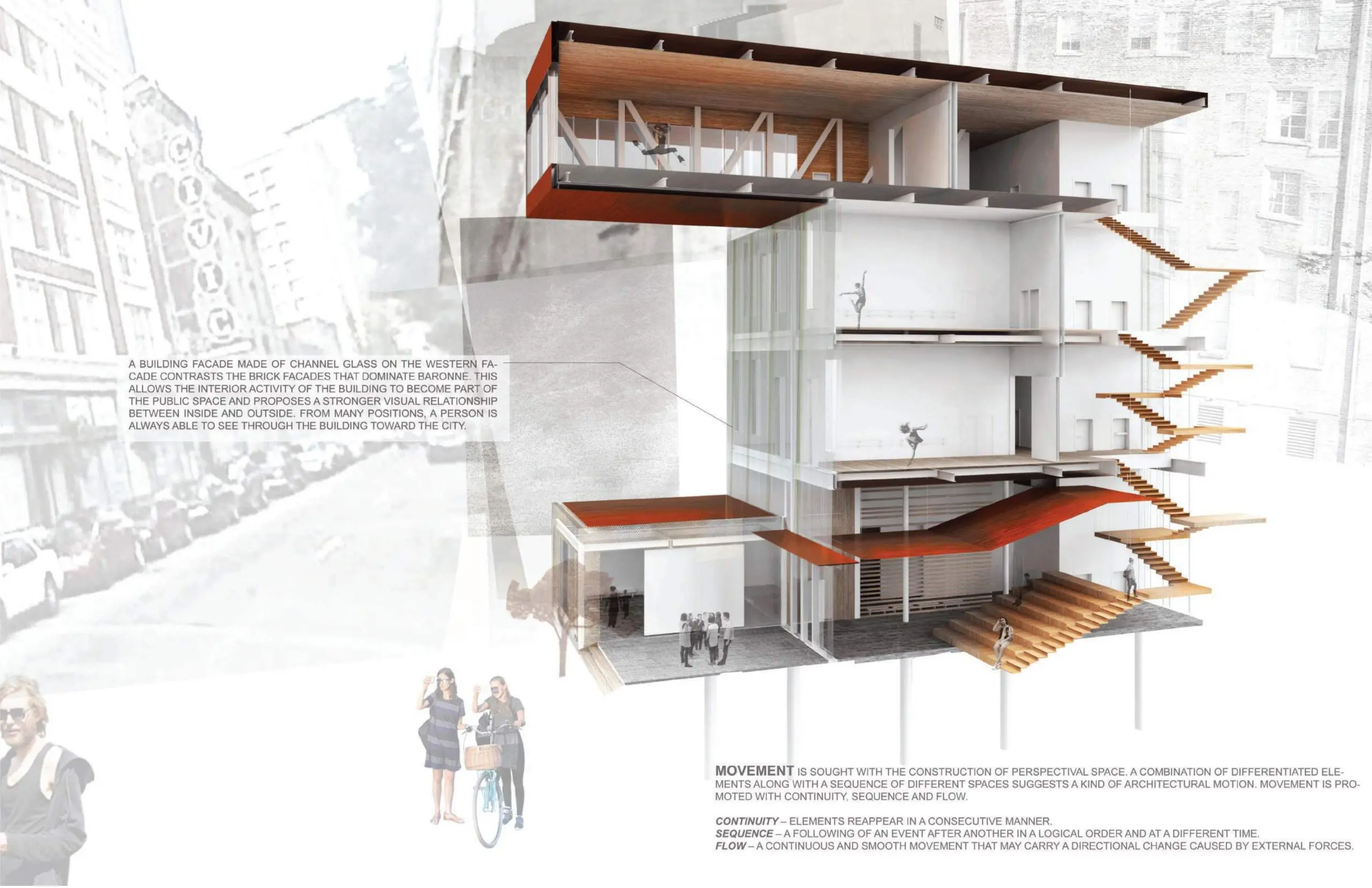
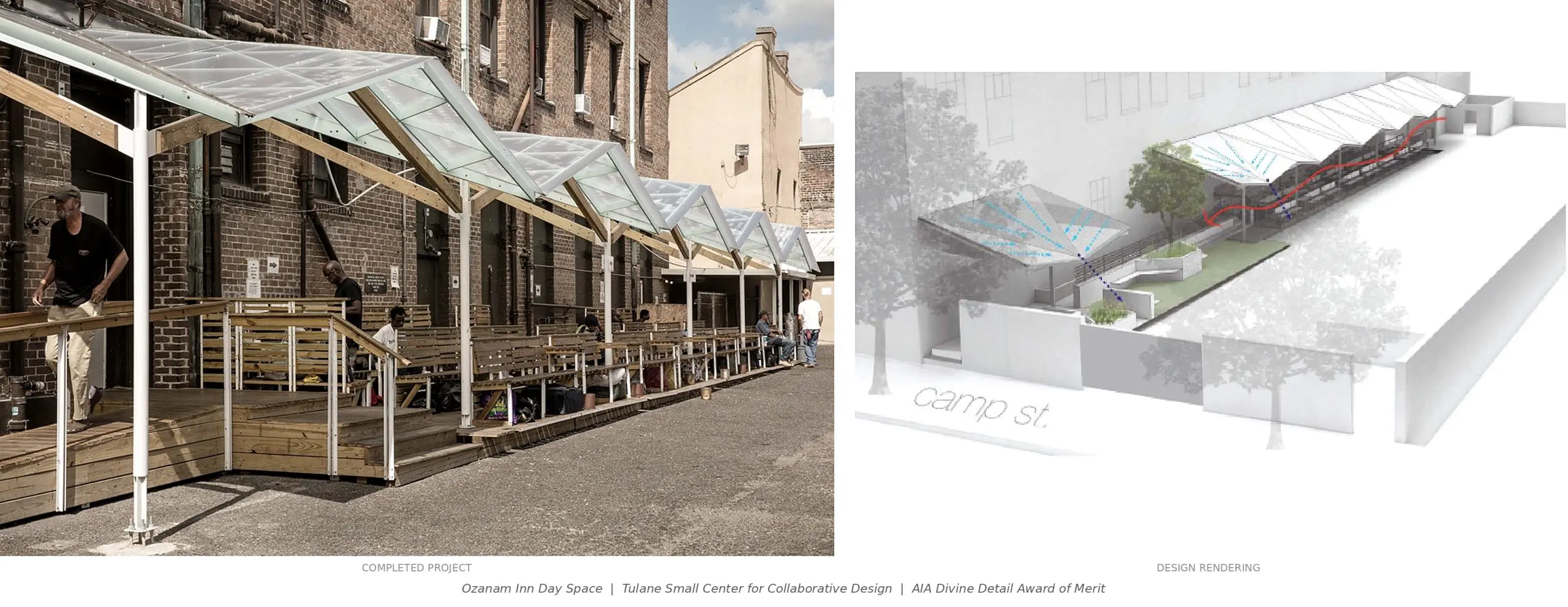
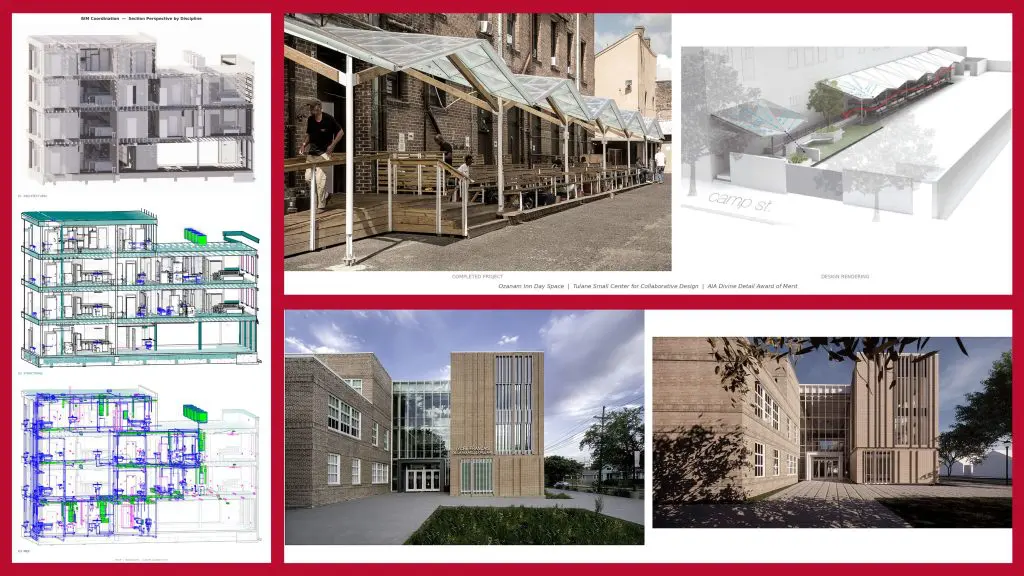
I came into the AEC industry through architecture — B.S. in Environmental Design from the University of Colorado Boulder, M.Arch from Tulane University. But I didn’t just go to Tulane for a graduate degree. I went specifically to do design/build. The Albert and Tina Small Center for Collaborative Design is one of the most legitimate design/build programs in the country, and that experience fundamentally shaped how I think about buildings and the people who make them.
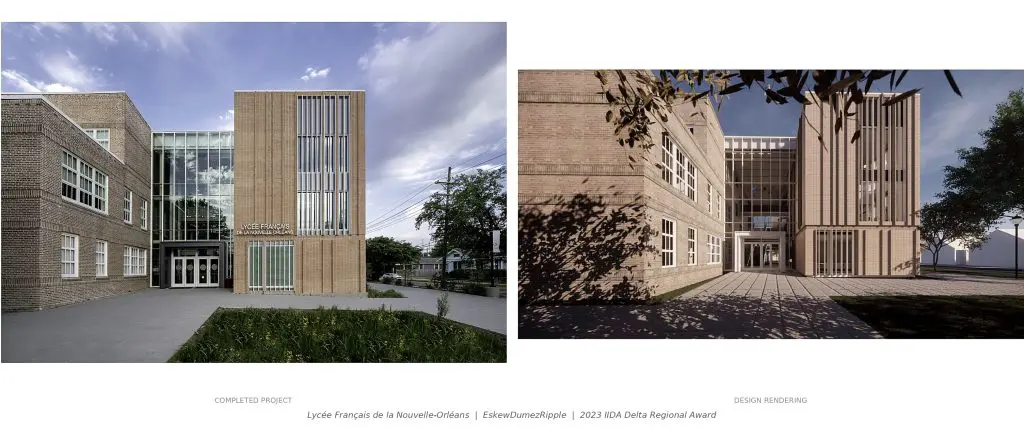
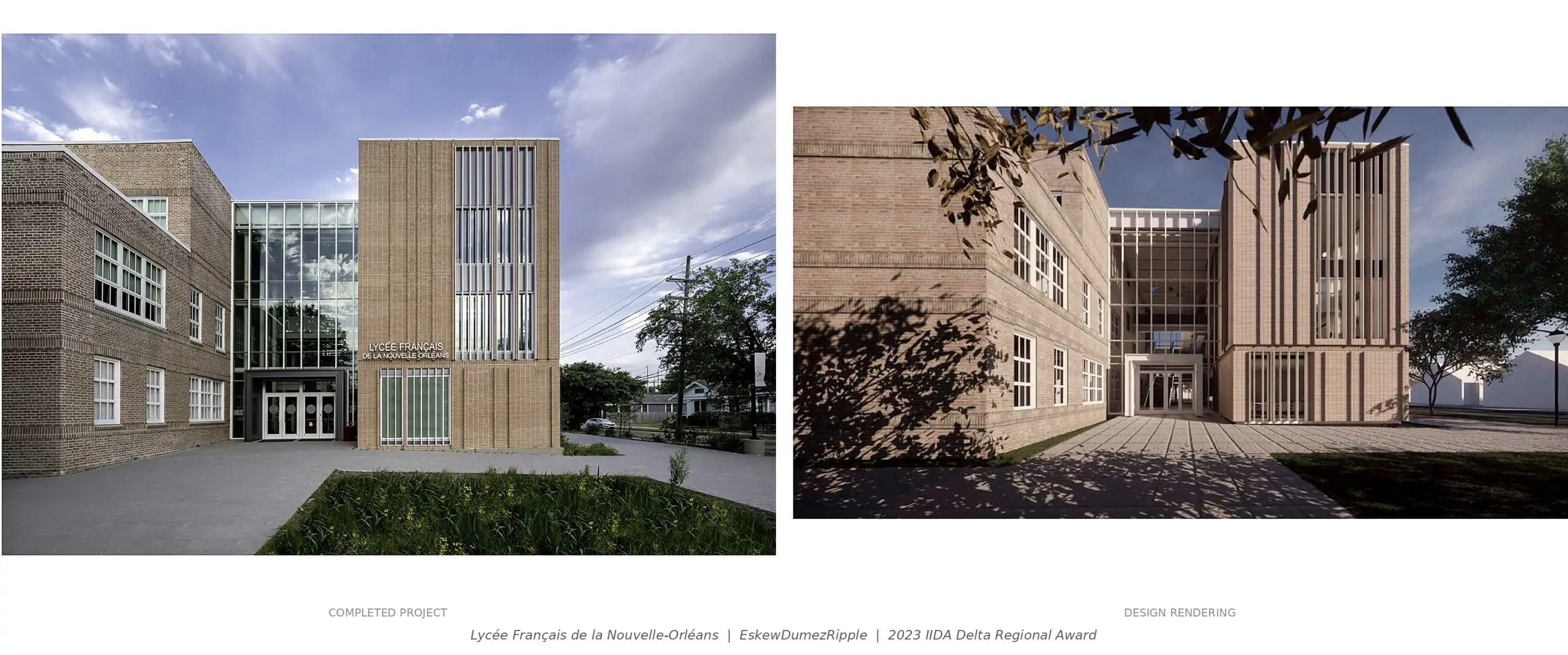
One of the most formative projects of my early career was the Lycée Français de la Nouvelle-Orléans renovation at EskewDumezRipple — a 47,000 square foot historic adaptive reuse project that went on to win a 2023 IIDA Delta Regional Award and a Louisiana Landmarks Historic Preservation Award. Steve Dumez was the Principal-in-Charge, and I learned so much from him about grids, organization, alignment, and the discipline of design at a high level. Those early-career lessons are what make me effective today.
When I eventually made the move from traditional practice into construction, every single one of my architect friends said I was “joining the dark side.” I genuinely hate that framing. It reflects exactly the adversarial architect-versus-contractor dynamic that produces RFIs, change orders, and blown schedules. I didn’t leave architecture. I moved to the side of the table where I could make the most impact.
Explain your role at Landis as Virtual Design & Construction Manager.
At the highest level, my role is to bridge the gap between design intent and built reality — and to make sure that gap is as small as possible before anyone picks up a hammer. I come from the architect’s side of the table. I understand Revit, drawing outputs, and what needs to be visible for coordination versus what lives outside the model. That fluency is rare on the contractor side, and it changes everything about how we engage with our design partners.
The coolest part about architecture is when the concept sketch and design intent carries through to the built product. That’s the goal. I’m not here to be critical of anyone’s work — coordination gaps are just part of the process, and that’s exactly what I’m here to help navigate. None of us want RFIs, change orders, or a delayed schedule. We all share the same goal: deliver a well-built, beautiful, coordinated building for the end users that honors the design intent from day one.
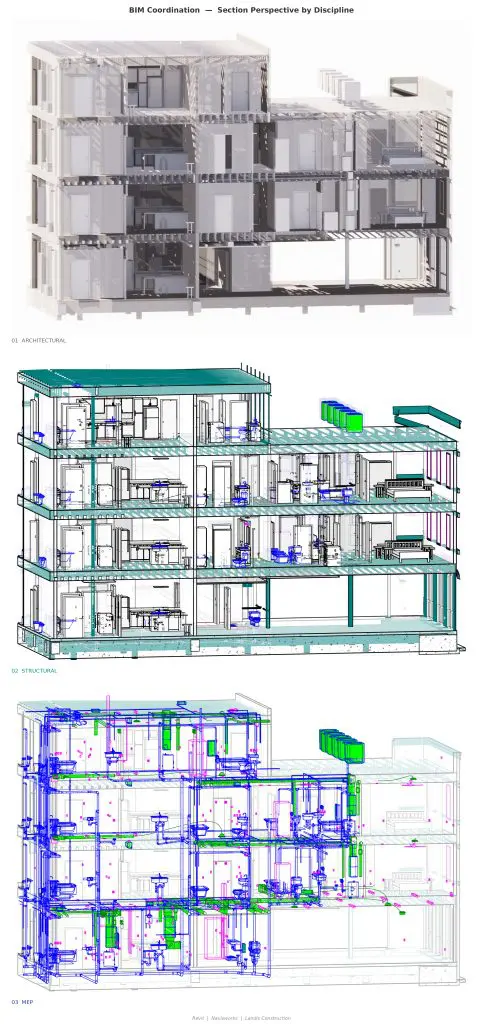
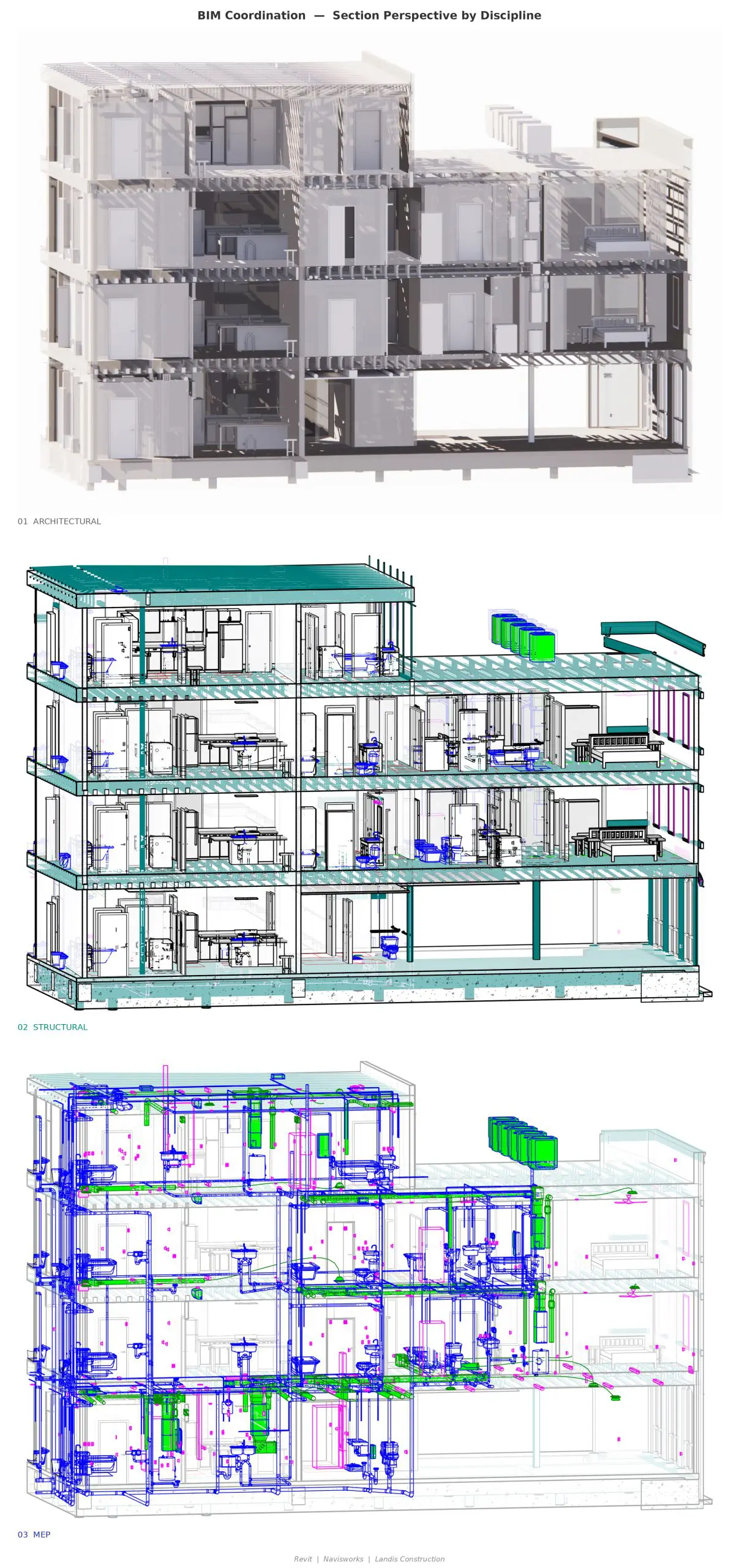
Day-to-day, my work spans a lot of territory. I’m managing BIM coordination and clash detection across architectural, structural, and MEP models — catching conflicts before they become field issues. I’m running VDC workflows, overseeing consultant coordination, and driving technical decisions across projects at various stages of delivery. I’m also deeply involved in pre-construction, because the earlier you identify coordination gaps, the less they cost everyone. I live in Revit, Navisworks, Procore, and ACC, and I’m constantly working to build better, more integrated workflows between the tools our field teams use and the models our design partners produce in the office.
Why is your work so invaluable to Landis’s success? How does it differentiate us?
Most GCs don’t have someone in this role who came up through architecture. That’s the differentiator. I don’t just understand the technology — I understand the design intent behind the documents. I know what an architect means when the drawing says one thing, but the detail says another. I know where the coordination gaps live before anyone must ask. And I know how to have those conversations with design teams in a way that’s collaborative, not combative.
Some of the best buildings ever built are the ones where every design discipline is genuinely working together — architect, structural, MEP, contractor, all of them in the room and aligned from the start. That’s what I’m working toward on every project. My presence at Landis makes us the kind of GC that design partners want to work with, because we show up to coordination already knowing what questions to ask and already invested in protecting the design intent.
What are some of the specific tools you utilize?
Autodesk Revit and Navisworks are my primary modeling and clash detection platforms. On the project management and field coordination side, I work extensively in Procore and Autodesk Construction Cloud (ACC). For real-time visualization and design communication with architects, I use Enscape. I also stay closely engaged with how these platforms are evolving — particularly around model-based workflows, data handoffs, and field-to-office integration. The tools matter, but what matters more is building a workflow where everyone — from the architect to the superintendent to the trade partner — is working from the same source of truth.
What do you find rewarding about the work you do?
Seeing a building get built the way it was designed to be built. That sounds simple, but it’s genuinely hard to achieve and deeply satisfying when it happens. There’s real artistry to a well-coordinated project — when the concept carries through to the finished building, when the details are right, when the end users walk in and experience exactly what the design team intended. That’s why I do this.
I also find enormous meaning in the people side of this work — mentoring emerging professionals, bringing students onto job sites, teaching Revit through AIA New Orleans, and advocating for women in technical leadership across the AEC industry. I’ve co-led Women in Architecture for AIA New Orleans, received the AIA Louisiana Associate Emerging Professional Award, and watched younger women start to see themselves not just as designers but as technical leaders and decision-makers. The mentors who invested in me changed my career. I take that responsibility seriously.
Is there other technology you’re hoping to test that we’re not currently utilizing?
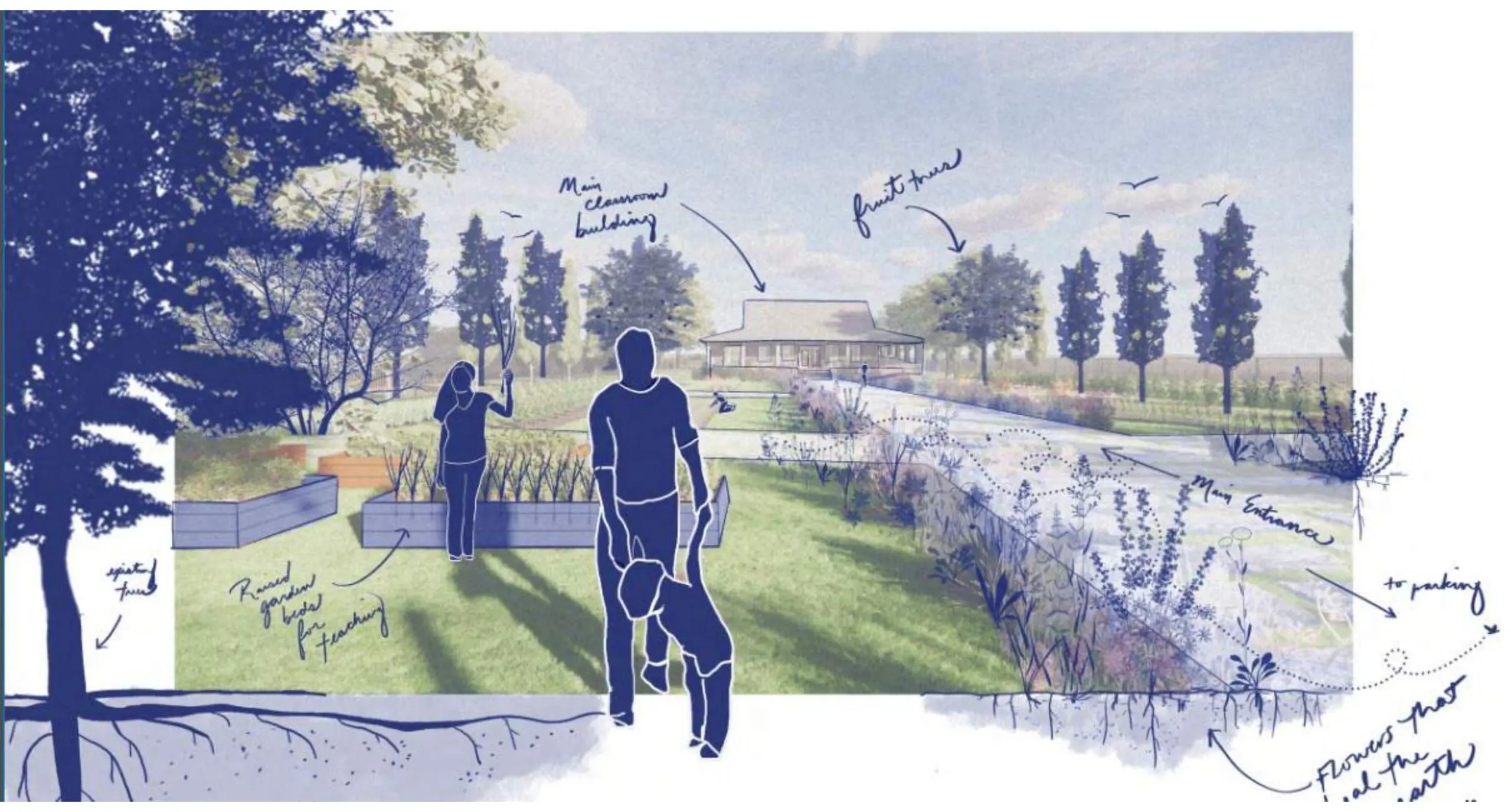
There’s a lot of exciting territory right now at the intersection of Open Space programming, BIM+, and VDC workflows — particularly around how tools like ACC and Procore can be more deeply integrated from the earliest stages of project delivery, not just during construction administration. I’m also closely watching how AI-assisted coordination and automated clash detection are evolving within the Autodesk ecosystem. The goal is always the same: less friction, fewer surprises, and a final product that reflects what was designed. I’m genuinely excited about where this is going and I think Landis is well-positioned to be at the front of it.